OVERClocking + PC SpecsContents:
2 OVERclock or NOT 2 OVERclock ?!
PROs + CONsOverclocking on the Internet:
Info +
Guides:Vendors:
Software [free(ware)]:
BACK 2
CONTENTS
My UBER-Clocked
PCI have upgraded once again [June 2002, "Merry Christmas" to me... :)] to an Intel Pentium III Celeron 1.3 GB CPU and a Chaintech A-GT60 AGP NVidia GeForce4 Ti 4600 with 128 MB
DDR SDRAM video accelerator.
Reasons? Simple: to play full screen high definition Video/DVD/MPEG in zillion colors,
real time DirectX3D/OpenGL 3D games and draw/manipulate true color/rendered graphics/3D animation under "proper"
conditions.
... Oh, and I forgot to mention, also to OVERCLOCK... :)
It is well known that Intel "clock-locked" the
entire Pentium II/III/IV CPU line, so the only way to boost CPU speed is to increase motherboard Front Side Bus (FSB)
frequency in the BIOS Setup.
My Pentium III 1.3 GHz CPU [factory set to a fixed 13x multiplier factor :(] runs now at 1456
MHz = 13 CPU multiplier factor x 112 MHz FSB speed.
Current settings using Windows XP Pro SP2 in dual-boot with Windows 98
SE + all up-to-date system patches + newest hardware drivers:
| CPU Multiplier Factor | FSB Speed | Clock Frequency | |
|---|
| 13 | 100 MHz | 1300 MHz = Factory default | | 13 | 112 MHz | 1456 MHz = NO errors!
=> Current | | 13 | 115
MHz | 1495 MHz = Random errors!
:( |
|
|---|
BEWARE: The major drawback is that the AGP video
bus can't handle too high FSB speeds (beyond the default 66 MHz) without crashing, and in rare cases this may physically
damage the video board, turning it into an expensive "art deco collectible"! :(
FYI: I have purchased each component
separately (shopped around for best prices/deals first), and then assembled my
computer entirely from ground up.
See my BenchMarks page for complete details on my
overclocked PC.
WARNING: Do NOT try to increase your CPU/BUS speeds beyond the
manufacturer's recommended specs IF you are NOT comfortable with or have knowledge of the RISKS of
OVERCLOCKING !
No errors/lockups so far [knock on wood... :)], but THIS IS HOW I DID IT:
- FIRST, I have READ NECESSARY INFO + GUIDELINES on PROPER OVERCLOCKING.
- ONLY
AFTER THAT I have purchased a CPU + MOTHERBOARD [+ CHIPSET] that CAN BE SAFELY
OVERCLOCKED, being designed to SUPPORT external BUS (FSB) SPEEDS GREATER than the STANDARD 100/133 MHz.
- ALL other
COMPONENTS/PERIPHERALS [EIDE hard drives, AGP + PCI video controllers, PCI sound card, PCI modem, etc] in my home assembled
PC are also PROVEN to WORK PROPERLY at FSB speeds above 100 MHz.
- I'm using 6 (S-I-X) quiet ball bearing 3200 rpm case
COOLING FANS to blow fresh cool air flow into the case (2 front panel fans) and the warm air flow out of the case (2 rear + 2
side panel fans), besides the CPU copper heat sink + 5400 rpm fan combo, the motherboard 440BX
chipset heat sink, and the NVidia GeForce4 chipset cooling fan + heat sink combo, not to forget the Radio Shack 12V 85 CFM 4.72" computer fan, which brings this up to a grand total of 9
(N-I-N-E) fans, not counting the ATX power supply fan. :)
- I have applied high quality
SILICONE BASED THERMAL COMPOUND between ALL chipsets, the CPU and their aluminum heat sinks to disperse heat better.
- I
have tried multiple configurations until I determined the optimal BIOS settings under
overclocked conditions (different CPU and FSB frequency "combos").
WARNING: DO
NOT do this at home if you don't know EXACTLY what you are DOING !
FIRST, READ NECESSARY OVERCLOCKING INFO + GUIDELINES !
EXTREME CAUTION: By OVERCLOCKING your CPU/BUS/VOLTAGE/RAM/etc you may DAMAGE your PC COMPONENTS PERMANENTLY, besides experiencing
random SYSTEM CRASHES or even DATA LOSS !
... And here are my Overclocked
System Benchmarks [separate page].
BACK 2 CONTENTS
My Home Assembled PC Hardware Specs
- CPU: Intel FC-PGA2
370 pins Socket Pentium III Tualatin SSE Celeron 1.3 GHz (at default 100 MHz FSB speed) with PowerLeap PL-iP3 Slot 1 adapter + voltage regulator: 0.13 micron
silicon die layer, 8.7 million transistors, with 70 additional SSE [Streaming SIMD Extensions (not counting the 57 MMX
extensions)] dedicated to processing video, audio and graphics data, 32 KB (16 KB data + 16 KB instruction) on-chip
non-blocking Level 1 (full CPU speed) 4 ns SRAM cache and 256 KB on-chip advanced transfer Level 2 (full CPU speed) 4 ns SRAM
cache.
- Motherboard: Abit
BE6-II v2.0 ATA/100 RAID Pentium II/III class up to 1 GHz Slot 1 with Intel 440BX (82443BX + 82371EB) AGP/PCI chipset: 66/100/133 MHz
FSB (Front Side Bus), one 64-bit AGP-2x with sideband, five 32-bit PCI and one 16-bit ISA slots (not shared, 7 slots total),
unique CPU Soft Menu III to adjust CPU, FSB and I/O speeds from BIOS Setup, jumperless design, DIP switches for
CPU/FSB speeds, supports all current Intel Slot 1 Pentium II/III + Celeron 233-1000 MHz CPUs with the latest BIOS Flash upgrade. FSB speeds: from 66 up to
200 MHz in 1 MHz increments. CPU adjustable core voltages: 1.90-2.90 V in 0.05/0.10 V increments. SEL#66/100 setting to
unlock Pentium II/Celeron (400 MHz and slower only) frequency clock.
Two HighPoint HPT370 UltraDMA/100 RAID Bus Master EIDE hard drive
connectors for up to four drives, two UltraDMA/33 Bus Master EIDE hard drive connectors for up to four drives (8 IDE drives
total), three 168 pin 256 MB DIMM sockets for up to 768 MB PC100/PC133 SDRAM memory, ECC support.
AWARD Modular 6.00PG BIOS with 2 MBit EPROM Flash
memory, EPA Green, PnP, PCI v1.20, AGP-2x with sideband, ISA, ACPI, DMI, USB, IrDa, Year 2000 compliant, ATX form factor
(305x200 mm board size), Winbond
Hardware Doctor: CPU, system + case fan speed, temperature + voltages.
Keyboard/mouse password + hot key,
multifunction Power On, 2.88 MB dual floppy drive controller, two 16550 UART serial COM ports, PS/2 keyboard and PS/2 mouse
ports, IrDA TX/RX header, two USB connectors, EPP/ECP parallel port. - RAID Controller: HighPoint Technologies RocketRAID 133 Dual Channel HPT372A 32-bit
PCI card: (E)IDE UltraDMA/ATA133 (133 MB/sec theoretical access), two Bus Master EIDE hard drive connectors for up to four
drives, RAID 0 (2-4 disks stripping), 1 (2 disks mirroring), 0/1 (4 disks stripping + mirroring) + JBOD (2-4 disks spanning)
standards, RAID GUI Configuration and Management tool (BIOS compatible), bootable disk, disk array support, disk hot spare
for automatic mirror rebuilding, hot swapping failed hard drives for RAID 1 or 0/1, LBA (Logical Block Addressing) BIOS
INT13h (48 bits) support for hard disks > 137 GB up to 2 TB (practical limit), Flash BIOS upgradeable and Windows 98/NT4/2000/ME/XP/2003 + Linux
driver support.
REVIEW: Dan's Data. - Memory: two 256 MB [512 total] PC133 Mushkin (Winbond/NEC) 5
ns, CAS3 latency, 16x64 non-ECC, 168 pin SDRAM DIMM modules.
REVIEW: Mushkin 256 MB PC133 NEC SDRAM was rated
"top 256 MB PC133 memory" @ AnandTech's "PC133
SDRAM Roundup" in April 2000! - Primary (AGP) 2D+3D Video: Chaintech A-GT60 NVidia GeForce4 Ti 4600 (NV25) AGP
chipset video accelerator: AGPx4 with Fast Writes controller interface, 128 MB 650 MHz 2.8 ns DDR SDRAM video memory,
2048x1536 max 2D+3D resolution in true color (32-bit), 200 Hz max non-interlaced refresh rate, 256-bit 2D/3D/Video 350 MHz
RAMDAC graphics engine, Windows GUI + DOS VGA core, 3D in a window + full screen, VESA VBE 2.0/3.0 built-in support, MPEG1,
MPEG2 + full-motion video with MPEG2 decoding motion compensation, full PnP compliant Windows 9x/NT4/2000/ME/XP/2003 display driver, Microsoft
DirectDraw/Direct3D + OpenGL ICD.
NVidia GeForce4 AGP chipset specs:- Performance:
- Vertices/second: 136 million
- Fill Rate: 4.8 billion AntiAliased (AA)
samples/second
- Operations/second: 1.23 trillion
- Memory Bandwidth: 10.4 GB/second
- Maximum Memory: 128 MB DDR
SDRAM
- 3D Features:
- nfiniteFX II Engine for full programmability
- Dual programmable
vertex shaders
- Procedural deformations
- Programmable matrix palette skinning
- Real-time hair + fur shading
- Keyframe
animation interpolation
- Morphing
- Fog effects: radial, elevation, non-linear
- Lens effects: fish eye, wide angle,
fresnel effects, water refraction
- Programmable pixel shaders
- Phong-style lighting for per-pixel accuracy
- Dot3 bump
mapping
- Anisotropic lighting
- Environmental bump mapping (EMBM)
- Procedural textures
- Per-pixel
reflections
- Accuview Antialiasing high-resolution antialiasing
- Accuview technology: no-penalty Quincunx AntiAliasing
(AA) quality
- Sub-pixel sample locations
- High quality 4XS mode
- nView multi-display technology (analog, digital,
TV)
- Lightspeed Memory Architecture II engine
- 4 independent memory controllers
- Lossless Z-compression
- Z-occlusion
culling
- Fast Z-clear
- Auto-precharge
- AGP 8X (AGP 3.0) support
- Shadow Buffers
- Integrated hardware lighting
engine
- DirectX + S3TC texture compression
- Dual cube environment mapping capability
- Reflection maps
- Accurate,
real-time environment reflections
- Hardware accelerated real-time shadows
- True, reflective bump mapping
- Z-correct
bump mapping
- Phong-style lighting effects on bump maps with reflections
- 2D + Video Features:
- High-performance 2D rendering engine
- Optimized for 32, 24, 16, 15 + 8 bpp modes
- True-color hardware cursor
with alpha
- Multi-buffering (double, triple or quad)
- High definition, high quality video processor (HDVP) for
full-screen, full-frame HDTV/DVD video playback
- Independent hardware color controls for video overlay
- Hardware
color-space conversion (YUV 4:2:2 + 4:2:0)
- Motion compensation
- 5-tap horizontal by 3-tap vertical filtering
- 8:1
up/down scaling
- Per-pixel color keying
- Multiple video windows supported for CSC + filtering
- DVD sub-picture
alpha-blended
- Motion adaptive deinterlacing compositing (MADC)
- API Support:
- NVidia
Unified Driver Architecture (UDA)
- Microsoft DirectX 8.x
- Silicon Graphics OpenGL 1.3 with NVidia extensions.
- Secondary (PCI) 3D Video: Quantum3D Obsidian2 X-24 3Dfx Voodoo2 PCI TV
single slot SLI (Scan Line Interleave): 24 MB of dedicated 25 ns 100 MHz EDO fast graphics memory, PCI PnP add-on 64-bit 3D
only video accelerator, with high quality Medusa pass-through video cable for primary AGP/PCI 2D video boards, using two 3Dfx
Voodoo2 Pixelfx2 and four Texelfx2 chipsets [Glide] for SLI mode: up to 1024x768 resolution, 65,000 colors 16-bit,
non-interlaced, up to 135 Hz refresh rate. Compatible with Microsoft
Direct3D, 3Dfx Glide + MiniGL software.
3Dfx Voodoo2 PCI chipset specs:- 3D
Features:
- Perspective correct texture mapping
- Bi-linear + tri-linear texture
filtering
- Z-buffer (16 bpp, integer + floating point)
- Level of detail (LOD) MIP mapping
- Sub-pixel + sub-texel
correction
- Bump Mapping
- Gouraud shading + texture modulation
- Full 24-bit rendering, dithered to 16-bit RGB
- 14
texture formats including 8-bit compressed + 8-bit palletized formats
- Full bi-linear blending of palletized + compressed
textures
- 2 to 4 MB EDO DRAM frame buffer
- 2 to 4 MB EDO DRAM texture memory.
- Performance:
- 90 Mpixels/sec sustained fill rate for bi-linear textures, with LOD MIP-mapping, Z-buffering, alpha-blending +
fogging enabled
- 180 Mpixels/sec in scan line interleaved (SLI) configurations
- 3M triangle/sec for filtered, LOD
MIP-mapped, Z-buffered, alpha-blended, fogged, textured triangles.
- Additional Features:
- Full hardware triangle setup (independent strips + fans)
- Anti-aliasing
- Depth buffering (16-bit linear,
22-bit effective)
- Alpha blending
- Per-pixel special effects: fog, transparency, translucency
- Texture compositing,
morphing, animation
- Linear frame buffer access
- Single-pass tri-linear filtering
- Single-pass dual textures per
pixel.
- Monitor: Panasonic PanaSync/Pro
P110 PnP.
PanaSync/Pro P110 specs:- 21" (53.3 cm) diagonal, 20" (50.8 cm) VIS (Visual
Image Size)
- true square flat CRT
- VGA, XVGA, SVGA, VESA + Mac video modes
- colors: unlimited
- PanaSync digital
multi-scan
- 0.25 mm dot pitch: 0.218 mm (horizontal) + 0.130 mm (vertical)
- DQ-DAF electron gun with hyperbolic focus
compensation circuit
- video bandwidth: 250 MHz pixel clock
- max screen size: 1600x1200 @ 81 Hz + 1800x1440 @ 71 Hz
non-interlaced
- max refresh rates: 160 Hz (vertical) + 115 KHz (horizontal) non-interlaced automatically
tracked
- automatic video mode selection + synchronized input signals: separate, composite + sync-on-green
- 3
color-match temperature modes: 9,300 K white color balance, 6,550 K + user definable (separate Red, Green + Blue)
- 4
buttons on screen menu: Contrast, Brightness, Degauss, Recall, H/V Position, H/V Size, V Pincussion, Trapezoid,
Parallelogram, Rotation, Color Temp, Display Frequency, Video Level, Input Select, H/V Moire, Language, Overall/H Focus, H/V
Convergence + Monitor Self-Test
- 21 timing video modes: 1 preset, 7 reserved + 13 user definable
- advanced AGRAS coating:
anti-glare, anti-reflective + anti-static
- compliant standards: VESA, DPMS, DDC 1+2 (1/2B/2B+/2AB), EPA, SWEDAC MPR II, TCO
'92, TUV, Windows 9x/NT4, PnP + ACCESS.bus
- power saving standards: standby (< 25 W), suspend (< 25 W) + off (< 8
W)
- ergonomical tilt + swivel base: 180º pan angle + 17º tilt angle.
REVIEW: Panasonic PanaSync/Pro
E110 won "1st place" @ Sharky Extreme's "5 Way 21-inch Monitor Shoot-Out" in December
1998!
- Windows (PCI) Sound Card: Creative
Labs Sound Blaster Audigy2 Platinum internal 24-bit, 192 KHz, DVD-Audio, 6.1 Dolby Digital (AC-3) surround PCI PnP +
Internal Drive with IR remote control.
Sound Blaster Audigy2 specs:- Audio Performance:
- S/N ratio with AES17 filter (A Weighted) at 1-2 V rated output: 102-106 dB Stereo Output, 102-106
dB Front + Rear Channels, 86-90 dB Center, Subwoofer + Rear Center
- THD + noise at 1 KHz (A Weighted): 0.004% at 1-2 V
rated output
- frequency response rated at 1-2 V +/- 3 dB 24-bit 96 KHz input: =< 10-46,000 Hz output
- High
Definition Playback + Recording Audio Quality:
- 24-bit Digital to Analog playback conversion with
sampling rates of 8, 11.025, 16, 22.05, 24, 32, 44.1, 48 + 96 KHz in 5.1 mode or up to 192 KHz in stereo mode
- 24-bit
Analog to Digital recording conversion in 8, 16 or 24-bit with sampling rates of 8, 11.025, 16, 22.05, 24, 32, 44.1, 48 + 96
KHz
- SPDIF input up to 24-bit at 96 KHz
- SPDIF output up to 24-bit at 48 or 96 KHz
- ASIO 2 msec latency multitrack
playback + recording at 16-bit 48 KHz
- WaveTable Synthesis + Midi:
- Creative Hardware
synthesizer (2 x 16 channels): 64 voice polyphony with E-MU patented 8-point interpolation technology for accurate
sampling
- Creative Software synthesizer (16 channels): multi-timbral wavetable
- Audio Effects:
- selectable/custom DSP modes simulate acoustic environments: Room, Hall, Theater, Stadium, Club etc for all sound
sources
- digital Surround Mixer eliminates noise from signal
- Bass, Treble + selectable/custom Effects for all audio
sources
- real time digital effects: Reverb, Chorus, Flange, Pitch shifter, Distortion
- Onboard Connectors:
- Line Out: Front Right, Front Left, Rear, Center, Subwoofer + Rear Center
- Digital Out: SPDIF 5.1
(6 channels)
- Line In
- Microphone In
- TAD In
- Analog/Digital CD Audio In
- 15-pin MIDI/Joystick port extension
header
- SB1394 port: IEEE 1394/FireWire/i-Link 400 Mbps transfer rate interface
- Internal SB1394 header to Audigy2
Internal Drive (optional)
- External AD_EXT header to Audigy2 Internal Drive (optional)
- Audigy2 Platinum Internal
Drive Front Panel Connectors:
- Headphone Out: 1/4" Stereo jack with volume control
- Line In 2:
1/4" Stereo jack shared with Microphone In 2
- Microphone In 2: 1/4" jack with gain control
- MIDI In: mini DIN
- MIDI
Out: mini DIN
- Optical SPDIF: In and Out
- Coaxial SPDIF: In and Out
- Stereo Aux In: 2 RCA coaxial jacks
- SB1394
port
- IR receiver
- Supported Standards:
- Creative Labs EAX Advanced HD: "hiss free"
sound reproduction
- Creative Labs Multi Speaker Surround (CMSS + CMSS2) in 360º audio space
- SoundFont wavetable
technology
- Microsoft DirectX 9.x: DirectSound, DirectMusic + DirectSound3D
- A3D Aureal 3D surround
- Dolby Digital EX
(AC-3) surround: 6.1 (attached speakers) + 5.1 (SPDIF out)
- ASIO compliant: 24-bit 96 KHz multi-channel simultaneous
recording
- DVD-Audio advanced resolution playback: 24-bit 192 KHz (stereo) or 96 KHz (5.1) only in Windows
2000/XP/2003
- Lucasfilm THX certified.
REVIEWS:
TechSpot
TweakTown. - DOS (ISA) Sound Card: Creative Labs Sound Blaster AWE64 Gold ISA PnP with EMU8000
wavetable synthesis MIDI chip, DSP, high fidelity 20-bit studio grade audio, 16-bit audio, > 98 dB S/N ratio, 64 voices
Seer WaveGuide/GW Synthesis, 4 MB DRAM memory for Sound Fonts (upgradeable to 28 MB), 1 MB ROM instrument samples, full
playback/recording duplex, Creative 3D surround, standard MIDI/MPU-401 analog joystick port.
- "PC
Speakers": ;) Both sound cards output + line input digital optical + gold plated analog stereo RCA cables are connected
to my Yamaha RX-V595a Natural Sound AV DSP
Receiver/Amplifier, 5x70 W maximum power per channel in all surround modes, 20-20,000 Hz maximum frequency response
on all sources, 96 dB S/N ratio, 60 dB channel separation, 0.07% THD at 1 KHz + 8 ohms, Dolby Digital (AC-3: 5+1), Cinema
DSP, Digital Theatre Surround (DTS) decoder, Yamaha Digital Sound Field, Tri-Field + Dolby Pro Logic Enhanced (DPLSS: 4+1),
14 customizable preset surround modes, 40 AM/FM programmable radio stations, deep bass, 8 total supported speakers, 4/4
Audio/Video gold plated analog RCA I/O, auxiliary S-Video input, 2 digital optical I/O, Tape/MD recorder/player monitor I/O +
universal A/V IR remote control unit RAV174, hooked up to a pair of Technics 200 W 3 way [18" woofer, no need for a subwoofer
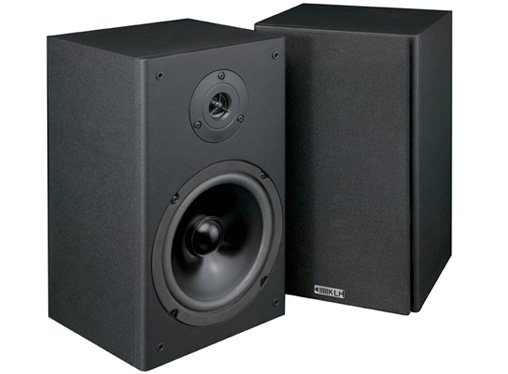
:)] front speakers, one KLH 50 W 3 way center speaker (EMI shielded) + two KLH 50 W 2 way rear speakers.
- Master + Slave Hard Drives: two IBM Deskstar
120GXP (OEM) 120 GB [240 GB total] EIDE Ultra ATA/100 (Ultra DMA Mode 5) internal, ATA-5 interface, 8.2 ms average
access, 2 MB data cache buffer, 7200 rpm, 100 MB/sec maximum transfer rate (37 MB/sec sustained in non-RAID configurations),
featuring load/unload head ramps, glass disk platters, ceramic spindle motor bearings, differential read channel, internal
power saving and thermal monitor, enhanced TrueTrack servo mechanism, no ID sector formatting, Giant MagnetoResistive (GMR)
head technology, Drive Fitness Test (DFT), Partial Response Maximum Likelihood (PRML) digital data channel, S.M.A.R.T. 3 Self
Test and Error logging.
REVIEW: Storage Review. - CD-RW Drive: Plextor
PlexWriter PX-W1610A 16/10/40A EIDE/ATAPI4 CD-RW internal: 140 ms average access, 6 MB/sec read + 2.6 MB/sec
(re)write maximum transfer rates, 2 MB data cache buffer, CLV/CAV mechanism allows constant speed on all tracks, BURN-Proof
technology eliminates buffer underrun errors, motorized tray, dust-proof mechanism, supports vertical operation, Flash ROM upgradeable, 44 KHz 16-bit
digital/analog stereo outputs, Nidec cooling fan, reads/(re)writes all CD/CD-R/CD-RW standards.
Plextor Manager 2000 + Roxio (Adaptec) bundled CD recording software. - DVD-ROM Drive: Pioneer DVD-115 EIDE/ATAPI4 16x DVD
40x CD internal: 95 ms DVD + 80 ms CD average random access, 21.6 MB/sec DVD + 6 MB/sec CD maximum transfer rates,
512 KB data cache buffer, Dynamic Resonance Absorber (DRA) technology, motorized tray, dust-proof mechanism, supports
vertical operation, Flash ROM upgradeable, 48 KHz 16-bit analog stereo output, frequency response 17 Hz - 20 KHz, channel
separation > 65 dB, reads all DVD/VCD/CD standards.
REVIEW: Storage Review. - Primary Floppy Drive: Teac 3.5" 1.44 MB
internal.
- Secondary Floppy Drive: Safronic 5.25" 1.2 MB internal.
- USB Cable Modem: Motorola SURFboard
SB4200 capable of 12 Mbps maximum transfer rate (free modem, installation + setup): provides "always on" 10/100 Base-T
Ethernet and USB connectivity, supports up to 32 users, DOCSIS 1.0 and 1.1 CableLabs Certified, top mount, standby switch, 6
status LEDs, connected to Comcast Cable provider at 3.4 Mbps downstream/275 Kbps
upstream connection speed. MS
Windows 9x/NT4/2000/ME/XP/2003 + Linux driver CD.
- Firewall Router: Linksys
(Cisco) BEFSX41 Instant Broadband EtherFast Cable/DSL with 4 Port Switch/VPN Endpoint: 10/100 Base-T Ethernet RJ-45
interface, 1 WAN port + 4 LAN ports (1 dedicated DMZ port), DHCP server, SNMP, NTP, PPPoE, advanced Stateful Packet
Inspection (SPI) Firewall, URL/time filtering, protects against Ping of Death, SYN flood, Land, IP spoofing + other DoS
attacks, IPSec + PPTP pass-through, up to 2 IPSec VPN Tunnels, blocks Java, ActiveX + Cookies, web browser based remote setup
from any networked PC, firmware upgradeable. MS
Windows 9x/NT4/2000/ME/XP/2003 Setup CD.
- Windows (USB) Digital Joystick: Logitech WingMan Extreme Digital 3D: 8
way hat switch, 7 programmable buttons, game port + USB adapter, stable heavy base + 5 rubber cups, high precision adjustable
throttle, twist handle + locking feature, versatile grip handle, modern thumb sweep design, Logitech WingMan Windows 9x/NT4/2000/ME/XP/2003 Driver Software CD.
REVIEW:
Firing Squad. - DOS (Game Port) Analog
Joystick: Suncom Technologies F-15E Talon: fully EPROM
programmable/keyboard emulator (for up to 16 games/48 commands) 12 buttons flight stick pro, four-axis castle, four-axis hat,
featuring Suncom's Exclusive SATURN-RING Direct Drive Patented Technology, heavy metal base + 4 heavy-duty suction cups.
- Windows (USB) Digital Mouse: Microsoft IntelliMouse Explorer
with IntelliEye optical sensor technology (NO moving parts), using a CMOS digital camera to scan the surface beneath the
mouse 1,500 times/sec to transmit signals to a DSP for pinpoint accuracy, 18 MIPS CPU, 1,200 dpi, no need for mouse pad, 4
programmable buttons + 1 scrolling/zooming wheel, USB and PS/2 with USB to PS/2 interface adapter, MS IntelliMouse Windows 9x/NT4/2000/ME/XP/2003 + DOS
Mouse Software CD.
REVIEWS:
Sharky Extreme
Ars Technica. - DOS (PS/2)
Analog Mouse: Microsoft Optical
Mouse Blue: with optical sensor technology (NO moving parts), using a CMOS digital camera to scan the surface beneath
the mouse, 400 dpi, no need for mouse pad, 3 programmable buttons + 1 scrolling/zooming wheel, USB and PS/2 with USB to PS/2
interface adapter, MS IntelliMouse Windows
9x/NT4/2000/ME/XP/2003 + DOS Mouse Software CD.
- PS/2 Keyboard: PC Concepts Quantum 2000 Multimedia: PS/2 interface/serial
adapter, 122 touch-soft (including Win95 keys), long life, with built-in 18 programmable "Hot Keys" to control all CD/DVD,
video/audio playback, saver/internet etc functions in software.
- Case: Addtronics 7890A Extra Series ATX server super tower.
EX-7890A
specs:- slide in/out motherboard tray, slot bracket and back bezel
- swing open side
doors
- front panel removable/washable air filter
- motherboard sizes: ATX, Full AT or Baby AT
- 7 (ATX) or 12 (AT)
slots
- front panel security lock
- screwless/wire front panel
- clip-on screwless/wire bezel
- front, side and back
panel ventilation holes
- up to 8 screwless cooling fans
- adjustable height 4 point base
- front panel and main chassis
security lock
- metal shielding for all exposed drive bays (meets FCC specs)
- top cover can be opened
- all flanges
debarred for safety
- dimensions: 44x21x67 cm (17.3x8.3x26.4 inch)
- 94 hb ABS plastic material
- external bays: seven
5.25" + one 3.5"
- internal bays: one 5.25" + three 3.5"
- zinc plated treatment and SECC steel sheeting
- screw-in EMI
drive bay fillers and rails
- power supply: PS/2, ATX or redundant
- safety: UL/CSA/TUV/CE/CB/N/D/FI/S
- net weight: 34
LBs/15 Kg
- gross weight: 38 LBs/17 Kg.
- Power Supply: Channel Well Technology CWT-300ATX smart
temperature control: adjustable turbo cool fan speed with overheating prevention, for up to 12 powered internal
devices (not including cooling fans), EMI filters, auto shutdown and over current protection, 300W ATX 2.01 server super
tower case compatible, 110 V/60 Hz/7 A and 220 V/50 Hz/4 A switchable.
REVIEW: Channel Well CWT-300ATX's "twin", the Antec PP-303X, was rated as
"the most stable performer" in "AnandTech's AMD
Athlon Buyer's Guide - Part 4: Power Supplies" in January 2000! - Uninterruptible Power Supply: APC Back-UPS XS 1500 VA model
BX1500:
Back-UPS XS 1500 specs:- maximum output power capacity: 1500 VA/865 W,
configurable
- nominal input/output voltage: 120/115 V
- lightning + surge protection
- input connection type (AC, 110
V/60 Hz): NEMA 5-15P
- output connection types (AC, 110 V/60 Hz): six NEMA 5-15R (power outage on battery + surge
protection) + two NEMA 5-15R (surge protection only)
- on battery waveshape: stepped sine wave
- typical transfer time: 2
ms
- Automatic Voltage Regulation (AVR) range: 88 - 148 V (78 - 152 V adjustable)
- on line frequency range: 47 - 63 Hz
(auto sensing)
- typical backup time at half/full load on AC power outage: from 28 up to 110 minutes
- battery type:
internal 24 V RBC33 cartridge, hot swappable + maintenance free sealed Lead Acid (leakproof) with suspended
electrolyte
- typical battery operation time: 3 - 6 years
- typical battery recharge time: 8 hours
- connector for
optional (not included) 24 V BR24BP external battery pack: on rear panel
- RJ-45 (UPS) to USB (PC) data port interface,
cable + auto shut down management software: APC PowerChute Personal
Edition CD-ROM for Windows 9x/NT4/2000/ME/XP/2003
- control panel LED status display: On Line, On Battery, Overload +
Replace Battery indicators
- audible alarms: when on battery + distinctive low battery configurable delays
- surge energy
rating: 420 Joules
- filtering: full time multipole noise filtering, 5% IEEE surge let through + zero clamping response
time
- red building wiring fault indicator on rear panel set off by: open/high resistance ground, hot/neutral polarity
reversed or overloaded neutral circuit
- red resetable circuit breaker (fuse) button: on rear panel, set off by power
overload
- cooling fan: 60 mm 2.5", ball bearing, inside case rear panel
- approved, certified + listed standards: UL 1449,
UL 1778, FCC/DOC Part 15 Class B + FCC Part 68
- data line protection: RJ-11 modem/fax/xDSL (two wire single phone line) or
10 Base-T Ethernet connector on rear panel
- physical dimensions (H x W x D): 14.6"/37.1cm x 3.4"/8.6cm x
13.1"/33.3cm
- net weight: 25 LBs/11.36 Kg
- case color: beige
- versatile mounting: vertical on floor with included
stand, horizontal under monitor or 2U rack shelf mount
- operating environment range: 0-40º C (32-104 F), 0-95%
relative humidity + 0-3000 m (0-10000 Ft) elevation
- audible noise at 1 m/3 Ft from unit surface: 45 dBA
- on line thermal
dissipation: 180 BTU/hr
- equipment protection policy: $150000 lifetime
- manufacturer warranty: 2 years repair or
replace.
- Hardware Monitor: DigitalDoc2 thermal sensor-fan monitor model MP-TC02A:
external 5.25" front panel LCD Fahrenheit/Celsius dual temperature display, 2 thermal sensors, 1 40 mm 12 V DC brushless
cooling fan, built-in monitor CPU, overheating audio alarm/fan activation, 5 control buttons: Set, Force, Scan, Up +
Down.
REVIEW: Ars Technica. - Kooling:
- Future Upgrades: high
resolution digital camera.
BACK 2 CONTENTS
CPU "Kooling Komments"
"In reviewing your personal PC specifications, I noticed that you were using a heat sink
compound (Radio Shack). This concept of using a compound is overlooked by many of
the individuals that build their own systems, and by most commercial manufacturers.
My tip is to use a thermal compound
such as ThreadEasy or its equal, commonly used in the transfer of heat generated by disk brake assemblies, which will
transfer heat from your CPU to its heat sink with greater effiency and as a side benefit, it will not dry out in the same
manner that the Radio Shack compound does.""Incidentally, I read this one guy's comments
on your heat sink grease. I believe heat sink compound does NOT dry out. The best way to get good thermal contact (that I
know of) is to have a very thin but complete layer of grease. You can check for a complete layer by spreading a very thin
layer on the CPU, and then putting on the heat sink and wiggling it around a bit. Then take off the heat sink and check
where you need more grease. To get a thin layer, put the heat sink on the CPU and press down moderately hard and wriggle it
around a little bit, until you hear the "tss tss" sound of metal on ceramic.""This is just a
little note about the guy who said that the thermal grease from good old Radio Shack would dry out. Oh my God so untrue... I
applied some of this miracle compound on a 286 a few years ago, then took the heat sink off yesterday and it was still
slippery. :)
I guess people should use something before they comment on it.""I am a TV
engineer and have worked on a LOT of electronic equipment.
I have found that regardless of the maker of heatsink compound
it will all "dry out" if subjected to *enough* heat. TO220 devices (a common case style) are very prone to this, aggravated
by running the device/heatsink at elevated temperatures. The hotter the device the faster the grease will bake out. But this
is not something to worry about, as the grease is only there to allow the compound to be spread on the device and heatsink
junction.
The white stuff is Zinc Oxide (ZnO) and the effectiveness does not seam to decrease with the grease gone.
On
several occasions I cleaned and reapplied new compound after changing one device on a heatsink and found that the new
compound did not improve cooling. Unless the junction is disturbed, drying out does not look to be a major problem. It
might be an indication that more air flow is needed to keep the CPU/heatsink cooler.
There are other heatsink compounds
that are much better at moving heat: see this Overclockers.com
page. These guys are serious about cooling! Unless one is overclocking or using an early Cyrix CPU, exotic cooling should
not be an issue.
After all, most of us are not going to keep a CPU for (more than) 5 or 10 years.
I like to move lots
of air through my PC case. I worry more about heat effecting hard drive life then CPU life. Most cases do not move nearly
enough air across the HD/CD/DVD area. And modern video boards can also benefit from better air flow.
I found that by
gutting a fan, removing the blade, armature and support arms, and using this to space a fan away from the small inlet vent
holes, will reduce fan noise (in my case checked with a Radio Shack Sound Meter) by about 9 dB. That is a big improvement in
overall noise level. I am using a large (4.5") fan that was just too noisy for comfort. I sacrificed a dead fan for the
project. Smaller fans will experience a similar level of improvement."
BACK 2 CONTENTS